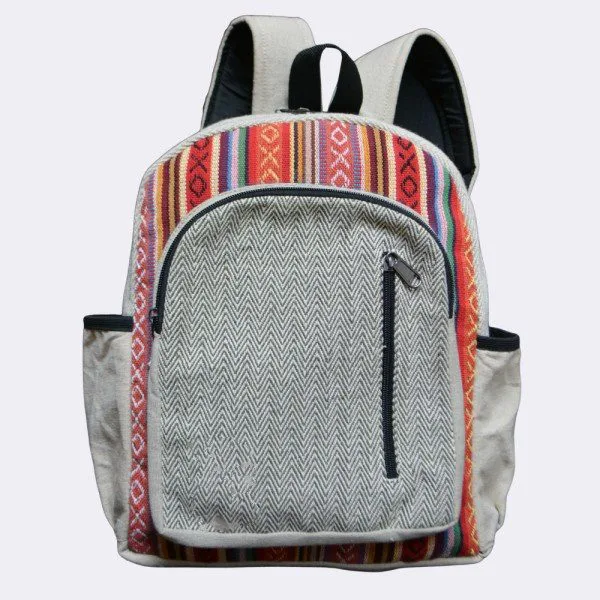
If you run a shop, a brand or a market stall and you are looking at hemp bags wholesale, Nepal is one of the few places where the supply chain is genuinely short: the fibre grows in the hills, it is woven and stitched in Kathmandu, and the finished bag ships directly from the maker. This guide explains how buying wholesale hemp bags from Nepal actually works, what to check before you order, and how to avoid the mistakes first-time buyers make.
Why buyers source hemp bags from Nepal
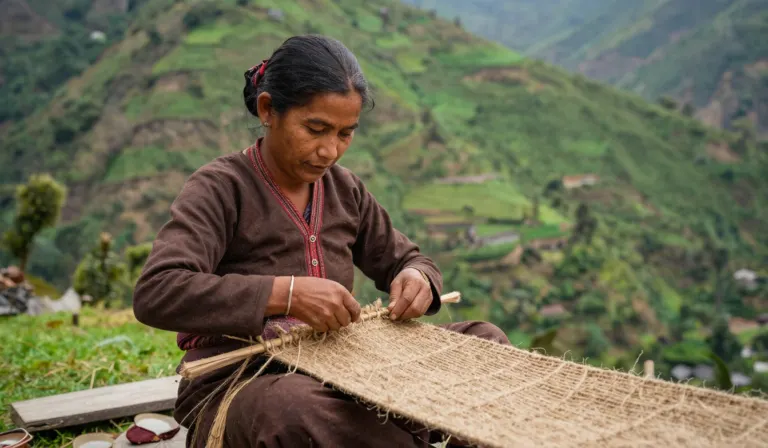
Nepal has worked with Himalayan hemp for generations. The fibre is strong and long-lasting, and the plant needs minimal water and pesticides to grow, which is why a well-made hemp bag lasts for years rather than a season. In Kathmandu, that fibre is turned into backpacks, tote bags, crossbody and sling bags, laptop bags, drawstring bags, yoga mat bags and small pouches, largely by hand.
For a retailer, the attraction is practical as much as environmental: you are buying a product with a real story your customers can understand in one sentence – handmade in Nepal from natural Himalayan hemp – at factory-direct prices, without a chain of middlemen.
What you can actually buy
A typical Kathmandu hemp collection, like ours at Hemp Headquarter in Thamel, covers:
- Hemp backpacks – the largest part of the range, including everyday packs, 3-pocket styles, laptop styles and waterproof-lined versions
- Handwoven tote bags, including totes finished with traditional Nepali Dhaka fabric
- Crossbody, side and sling bags, including compact passport sling bags for travel retail
- Laptop bags in hemp fabric and hemp with leather
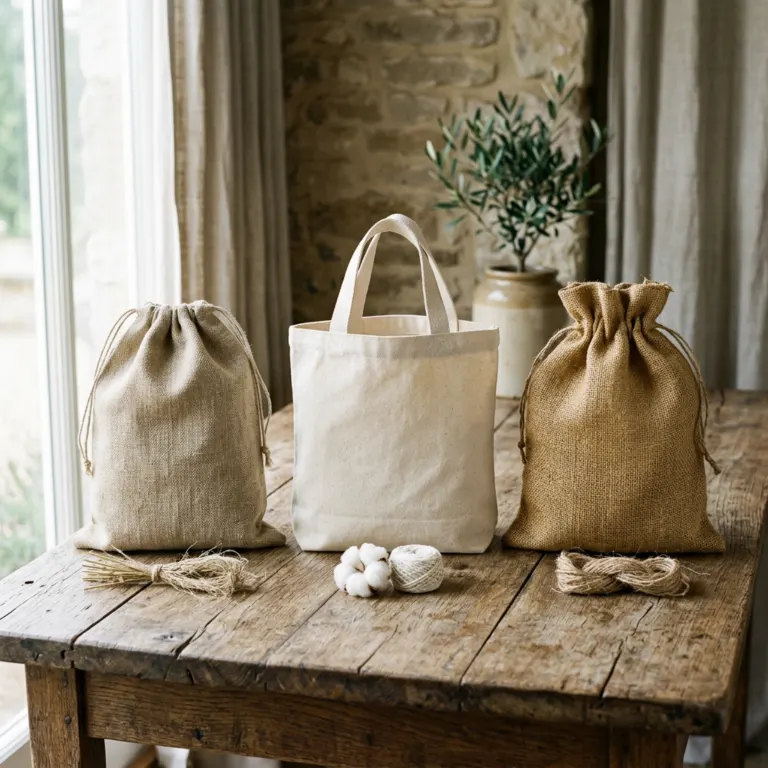
- Drawstring bags (also called rope bags), ours measure 40 x 40 cm and close with a rope pull
- Yoga mat bags, ours are 77 cm long so a standard mat fits without forcing it
- Makeup and toiletry pouches in natural hemp

One useful detail to check with any supplier: does the range include a speciality piece that shows real craft, not just basics? Our YUBI backpack, for example, is handcrafted from natural hemp and silk thread at about 40 x 30 cm. Pieces like that are what separate a maker’s range from a trader’s catalogue.
Minimum order: the number that matters most
Minimum order quantity (MOQ) decides whether a supplier is realistic for a small or medium shop. Large exporters often ask for hundreds of pieces per design. Hemp Headquarter’s minimum is 10 bags: you can set any quantity from 10 upwards on each product page before sending your enquiry. That lets a retailer test several styles in small numbers, see what sells, and reorder the winners instead of gambling on one big order.
Whatever supplier you choose, ask these MOQ questions in writing:
- Is the MOQ per design, per colour, or per total order?
- Can I mix styles to reach the minimum?
- Does the MOQ change for custom colours or my own label?
How to check quality before you commit
Hemp is forgiving, but stitching and hardware are where cheap bags fail. Before a bulk order:
- Order samples first. Carry one for two weeks. Load it, zip it fifty times, check the strap stitching under weight.
- Check the lining. On backpacks you plan to sell for daily or laptop use, ask whether the lining is waterproof and whether there is a padded laptop compartment.
- Check zips and stitching density in photos, then again on the sample. A good maker will happily send close-up photos of seams and zips.
- Expect small variations. Handmade and handwoven fabric varies slightly in colour and weave. That is part of the product’s value, but agree with your supplier what counts as a defect versus natural variation, before the order ships.
How ordering and shipping work
Nepal is landlocked, so every exporter ships by air or via seaports in India, and shipping options depend on your destination and order size. At Hemp Headquarter the process is deliberately simple:
- Browse the collection and pick your styles
- Set your quantity (from 10 bags) on each product page
- Send the enquiry on WhatsApp – your bag, quantity and notes arrive in the message automatically
- We reply with pricing, and confirm the shipping options for your destination
We supply shops and brands in more than 80 countries, so tell us where the bags need to go and we will confirm what is possible before you pay anything. With any supplier, get the shipping method, who pays customs in your country, and what happens with a damaged parcel agreed in writing before the order, not after.
Red flags when choosing a supplier
- No physical address. A real Kathmandu maker has one you can visit. Ours is Thamel 16, Kathmandu.
- No minimum order clarity, or an MOQ that changes every time you ask.
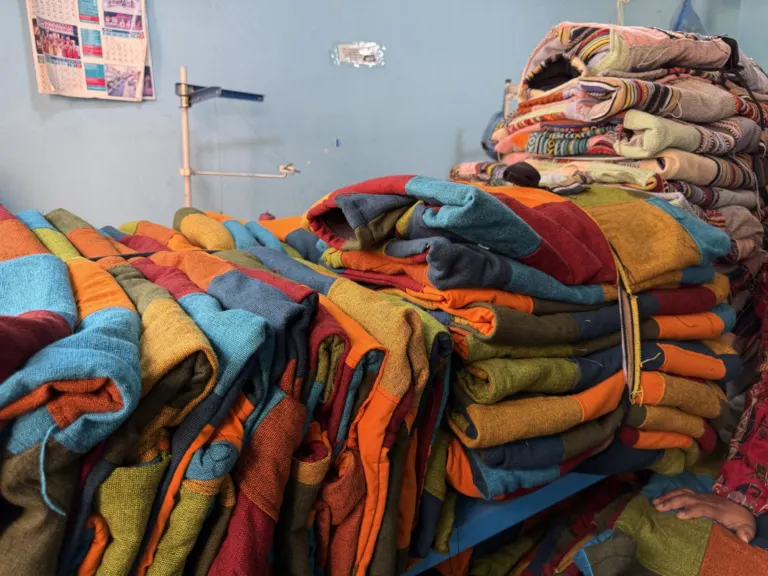
- Only stock photos. Ask for a photo of the actual workshop or today’s production.
- Prices far below every other maker. Hemp fabric and hand stitching cost what they cost; a suspiciously cheap bag usually means a hemp-look blend and machine shortcuts.
The short version
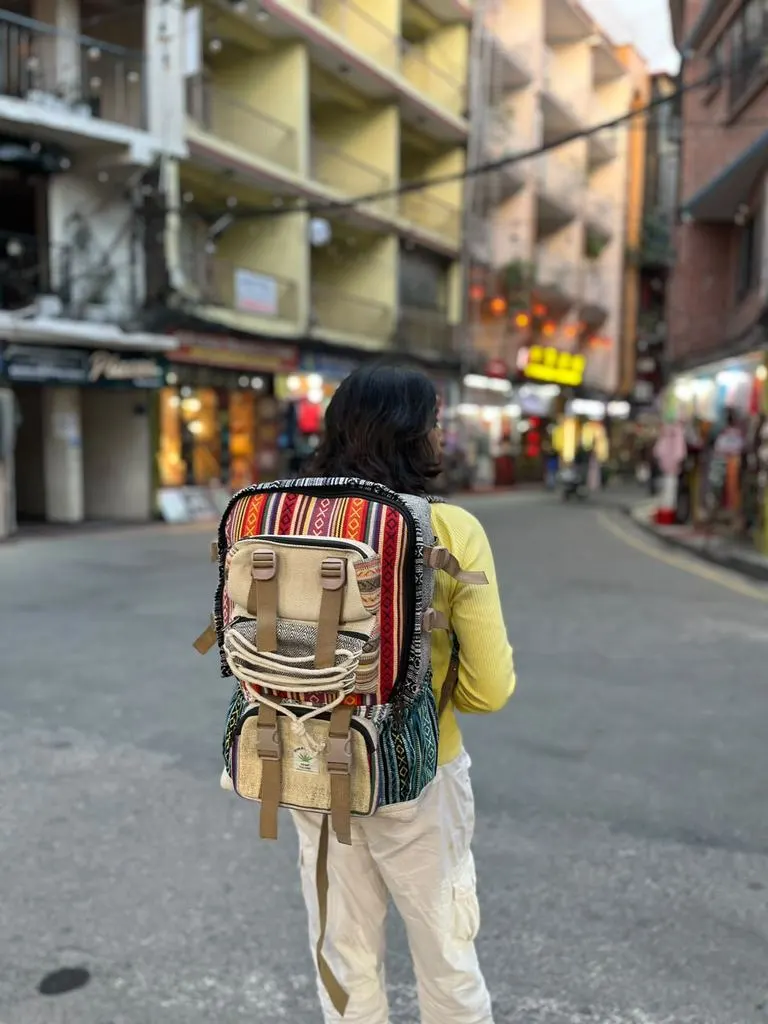
Buy from the maker, start at a low MOQ, test with samples, agree quality and shipping terms in writing, and reorder what your customers actually buy. If you want to start that way, browse the Hemp Headquarter collection, pick your styles, and send your enquiry on WhatsApp (+977-9860799249). Minimum 10 bags, handmade in Kathmandu, supplied to more than 80 countries.