When it comes to choosing sustainable materials for your shop or daily life, comparing Hemp vs Cotton vs Jute bags is the ultimate starting point.
We make Plant based-bags, so you would expect us to say marijuna fiber wins everything. It does not. Each of these three natural fibres has a specific job it is genuinely best at. Choosing the wrong material wastes money, whether it is yours or your customers’.
Here is the exact, honest comparison we give to retailers who visit our Hemp Headquarter shop in Thamel, Kathmandu.
Table of Contents
- The Three Fibres at a Glance
- Where Hemp Genuinely Wins
- Where Cotton (Canvas) Wins
- Where Jute Wins
- Honest Care Guide for Natural Fibres
- The Verdict for Buyers and Retailers
1. Hemp vs Cotton vs Jute Bags: Secrets Revealed
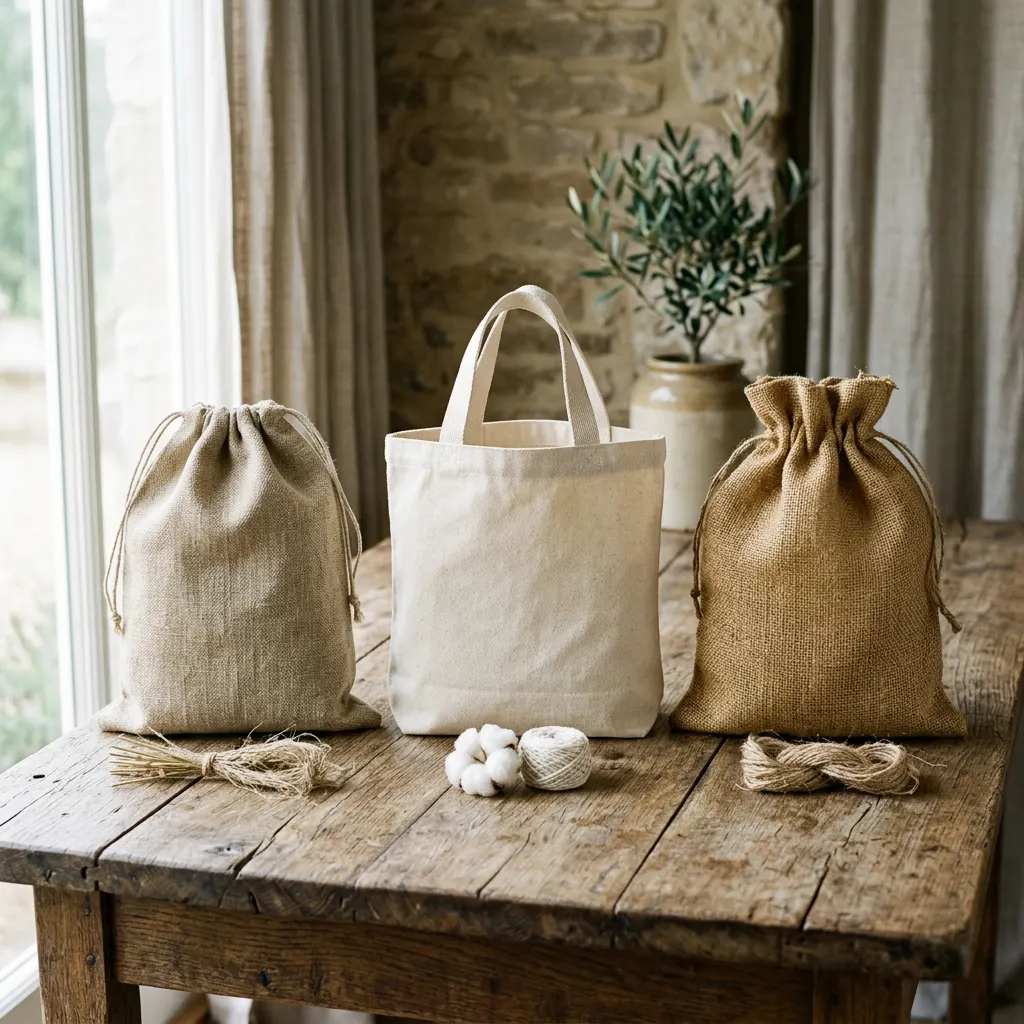
To make the right choice, you need to understand how these materials perform in the real world. Here is a quick breakdown of their core characteristics:
| Characteristics | Marijuana Fibre | (canvas) | Jute |
|---|---|---|---|
| Strength | Very strong, long fibres; resists stretching and keeps its shape | Strong when woven as heavy canvas, softer hand feel | Strong for its weight, but fibres are shorter and coarser |
| Lifespan as a daily bag | Years of daily use; softens without falling apart | Good, but thins and fades faster under daily load | Shortest of the three for daily carry; best for occasional use |
| Growing | Needs minimal water and pesticides to thrive | Conventional cotton is thirsty and pesticide-heavy; organic cotton fixes much of that at a higher price | Grows fast in monsoon climates with little irrigation |
| Feel | Structured, textured, softens with age | Softest from day one | Rough, rustic texture |
| Water behaviour | Naturally resists mould; dries well; linings can be added for waterproof styles | Absorbs water, slow to dry | Weakens when repeatedly wet |
| Best for | Everyday backpacks, laptop bags, travel bags you keep for years | Totes and shoppers where softness matters most | Grocery, promotional and gift bags, rustic home storage |
| Price | Higher than jute, comparable to good canvas | Wide range | Cheapest of the three |
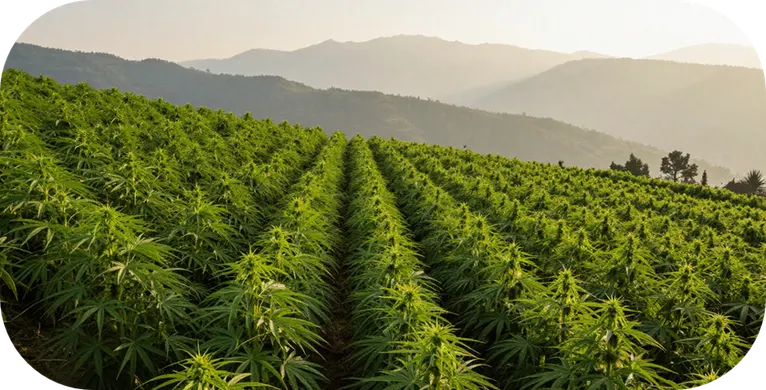
2. Where Marijuana Fibre Genuinely Wins
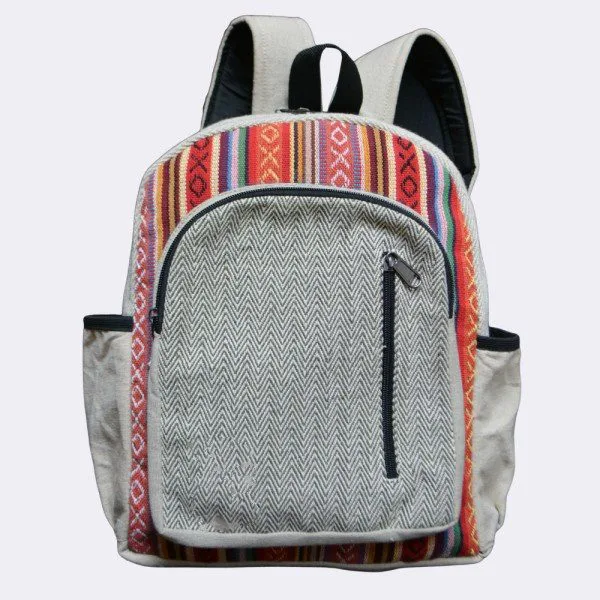
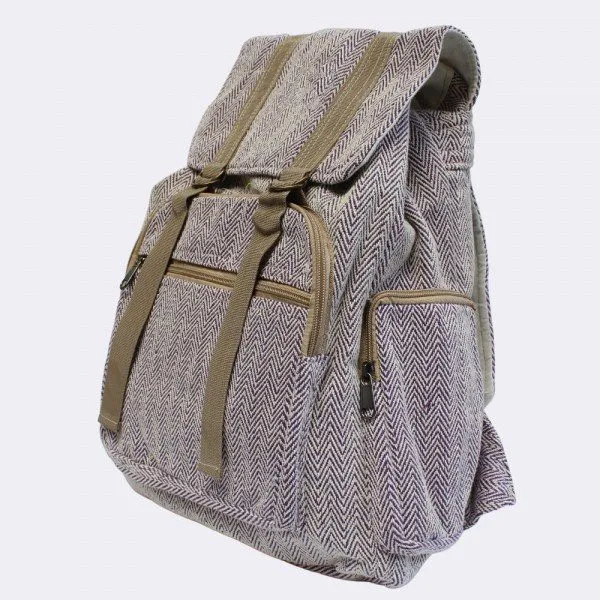
Durability Per Bag A backpack equipped with a waterproof lining and a padded laptop compartment is a true daily-use product, not just a seasonal trend. Our long fibres can take an absolute beating.
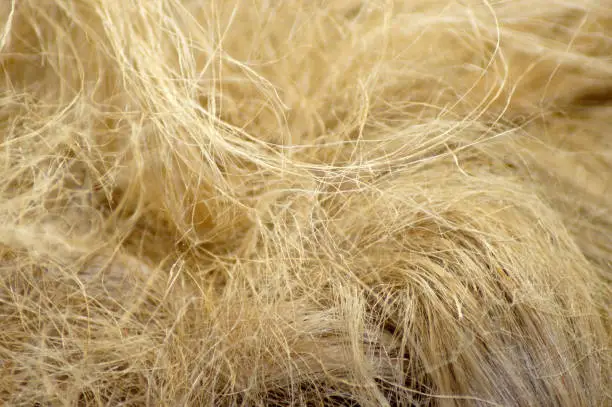
Retailers consistently tell us the same thing we see in our own range: customers come back for a second bag like a tote, a sling bag, or a yoga mat bag because their first one is still going strong years later. For a shop, a product that lasts is a product that builds repeat customers instead of frustrating returns. Check out our collection of Himalayan Backpacks to see this durability in action
Environmental Cost Per Year of Use: The environmental case is where this fiber stands entirely unchallenged. The plant requires virtually no irrigation or pesticides to grow. Because the final product lasts for so many years, its carbon and water footprint is spread over an incredibly long working life.
3. Where Cotton Canvas Wins
Softness and Print Surface If you want a lightweight shopper that easily folds up into your jacket pocket, or a tote bag that takes a detailed, highly complex screen print perfectly smoothly, canvas is the easier material.
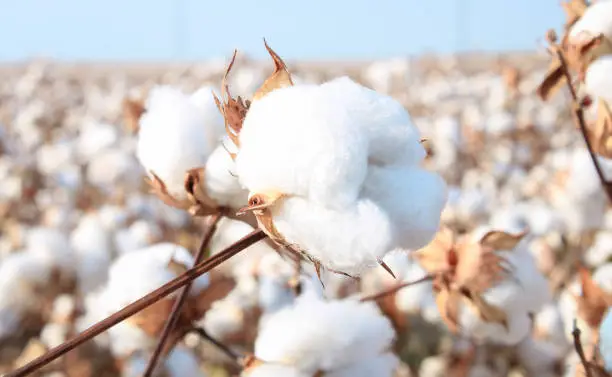
While marijuana fibre’s rustic texture is a major part of its visual appeal, it isn’t the smoothest surface for intricate graphic printing. Canvas provides that flat, clean surface.
“However, it is important to note that conventional cotton is highly resource-intensive. According to the World Wildlife Fund (WWF), it can take 2,700 liters of water to produce the cotton needed for a single T-shirt.”]
4. Where Jute Wins
Price and Volume: For promotional Everyday gear, single-event giveaways, and grocery shoppers that need to be produced in massive numbers at the lowest possible cost, jute is the most sensible choice.
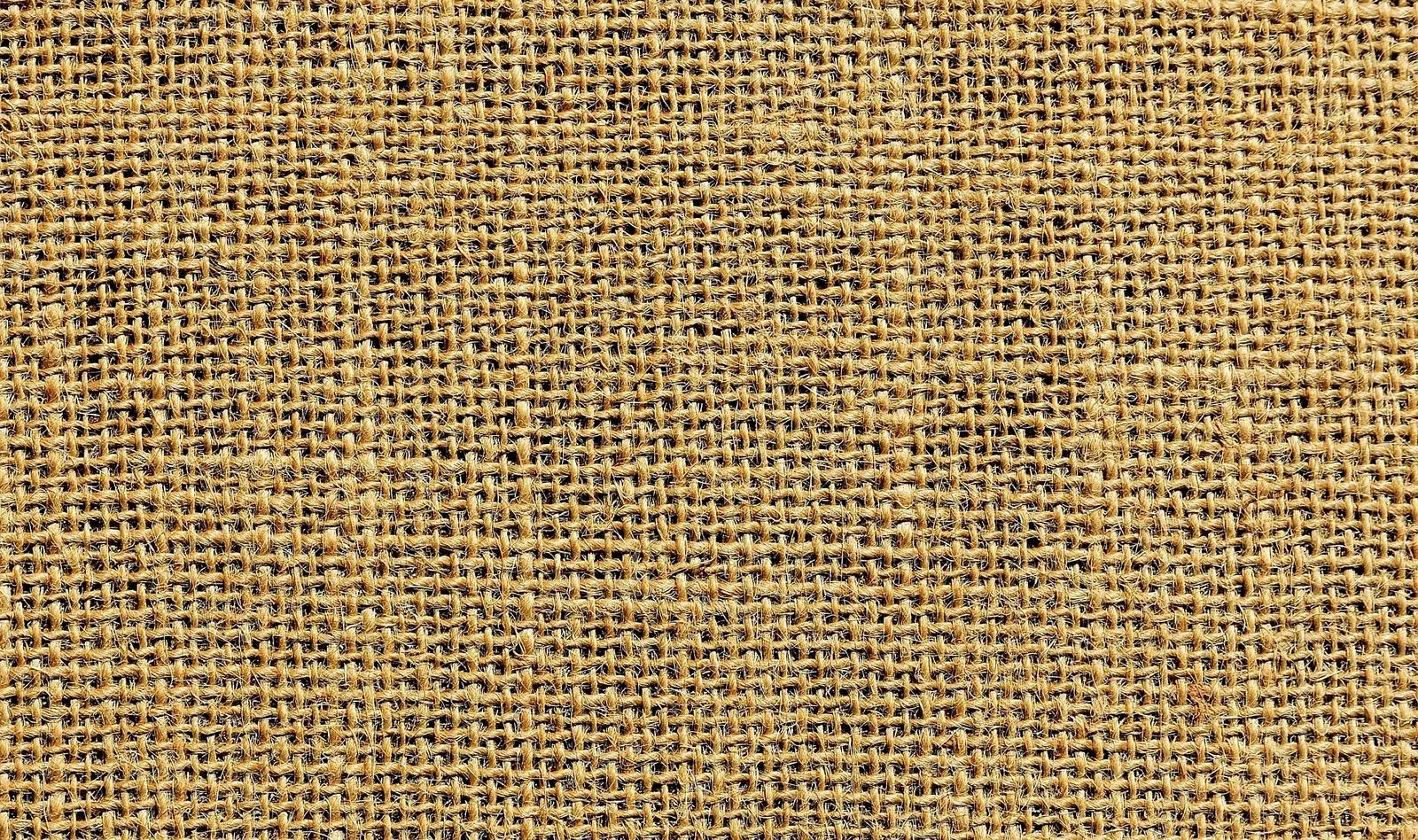
Just do not sell a jute everyday gear as a rugged daily-carry bag. Its natural fibres are simply not built for years of heavy strap stress. If you try to pass it off as heavy-duty, your customer will find out the hard way before you do.
Best Care Guide for Natural Fibres
To get the most out of your inventory, you need to know how to maintain it.
- Marijuana Fibre: Hand wash or use a gentle cold cycle, then air dry. Hemp naturally softens over time—this is a feature of the fabric breaking in, not damage.
- Conventional fabric: Washes very easily in standard machines, but you should expect gradual fading and thinning at the fold lines over time.
- Burlap: Keep it dry wherever possible and only spot clean. Repeatedly soaking jute will quickly shorten its life and cause the fibres to shed.
The Final Verdict for Buyers and Retailers
Stocking a Backpacks range is not about picking one single fibre forever. It is about matching the fibre to the use case.
This fibers based on your customers’ actual needs: for the Backpacks your customers carry every day and keep for years, cotton for soft shoppers and highly detailed printed totes, and jute for high-volume promotions.
Our own collection focuses on plant based fiber (Marijuna) because heavy daily carry is our trade. From backpacks and crossbody Everyday gear to laptop sleeves and drawstring bags, our THC-free natural hemp gear is handmade right here in Kathmandu. We supply wholesale starting from just 10 bags to more than 80 countries worldwide.
Browse the collection or ask us on WhatsApp (+977-9860799249) which style fits what you sell. We would rather sell you 10 of the right bags than 100 of the wrong one.