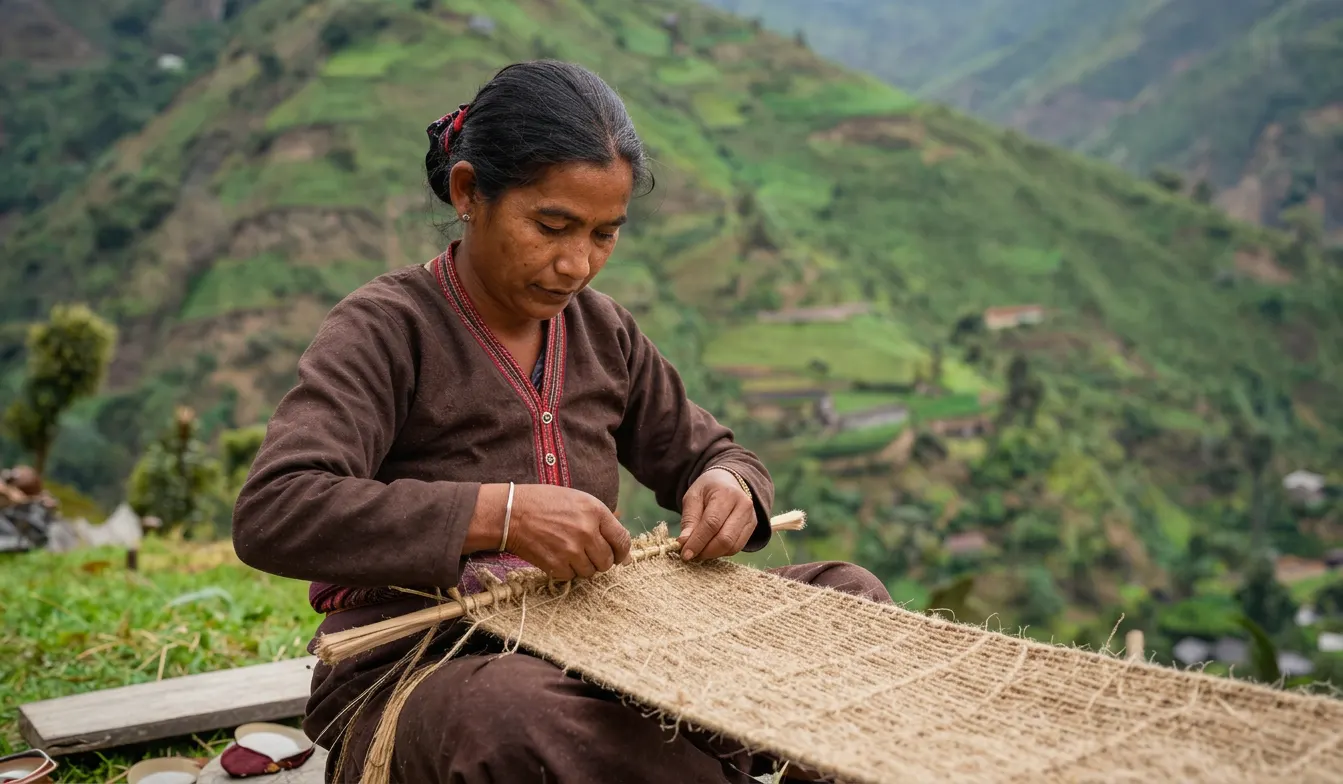
Most bags start in a factory you will never see. A hemp bag from Kathmandu starts in the hills of western Nepal, and you can follow almost every step of it. Here is how a bag at Hemp Headquarter gets from a plant stem to a finished backpack on a shelf in Thamel – and, from there, to shops in more than 80 countries.
1. The fibre starts in western Nepal
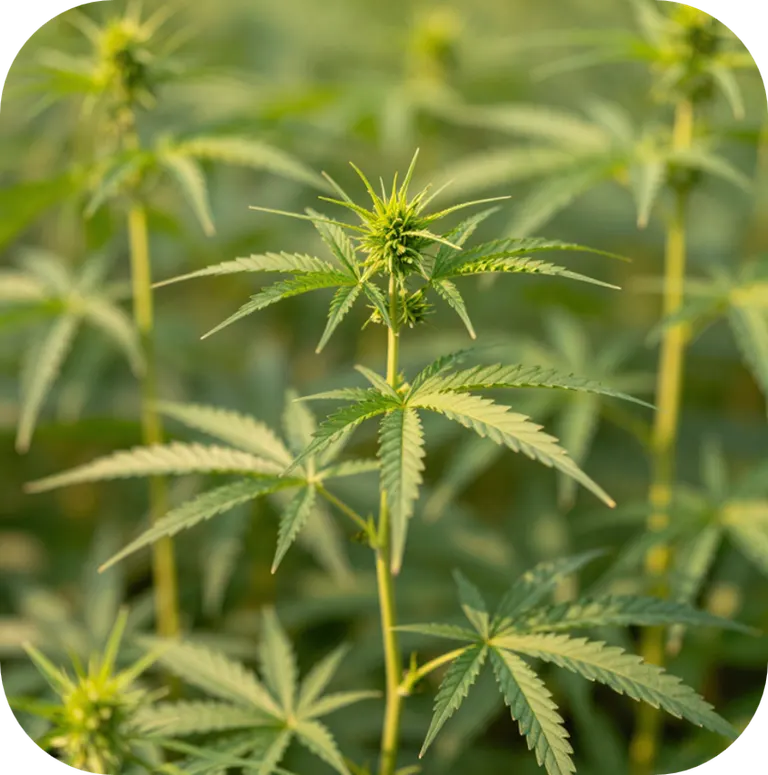
The hemp used for fibre in Nepal grows wild in the west of the country, with the Bajura district known for producing particularly healthy plants. The plants used for fibre are cut before they flower, which matters: fibre hemp is not a drug crop, it is harvested for the stem. As Baburam Bohra from Bajura explained to Nepali Times, the stems are soaked in water for about 10 days so the outer layer peels away, making it possible to extract the fibre inside.
That slow, water-based process – called retting – is why Himalayan hemp fibre is long and strong. Long fibres spin into yarn that does not snap easily, and that strength is the whole reason a hemp bag outlasts a comparable cotton one.
2. Spinning and weaving
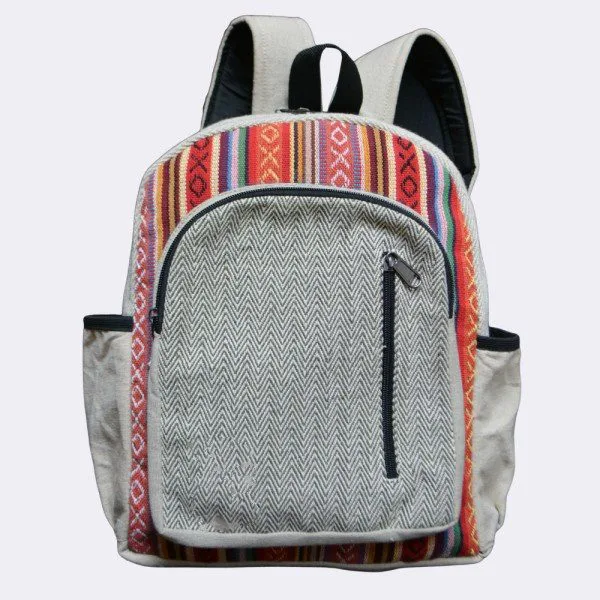
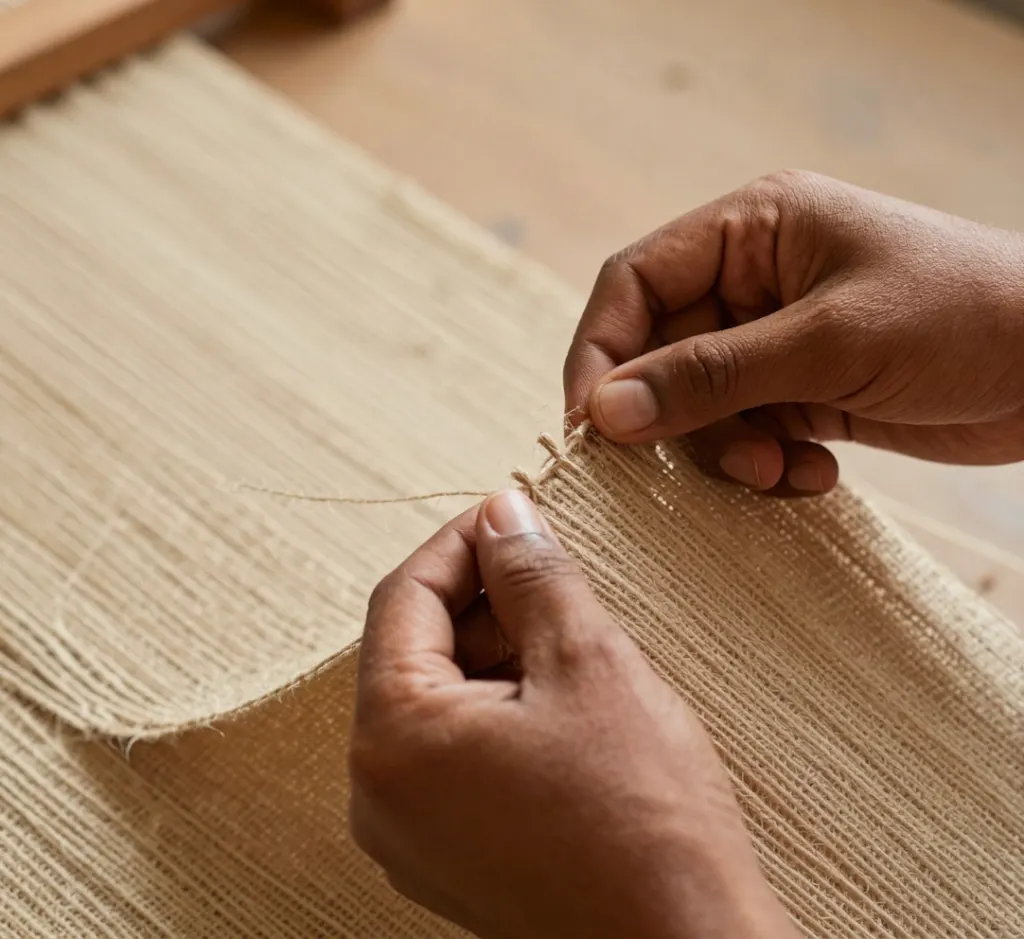
The extracted fibre is cleaned, spun into yarn and woven into fabric. Some of our fabric is left in its natural hemp tone; some is woven with coloured yarns, and some finished pieces are combined with traditional Nepali Dhaka fabric – the geometric woven textile Nepal is famous for – as on our Dhaka Grace hemp tote. Our YUBI backpack goes a step further and is handcrafted with hemp and silk thread.
This is the stage where handmade shows. Handwoven fabric has small irregularities a machine cannot copy, and those irregularities are exactly what customers in eco and fair-trade shops are paying for.
3. Cutting and stitching in Kathmandu
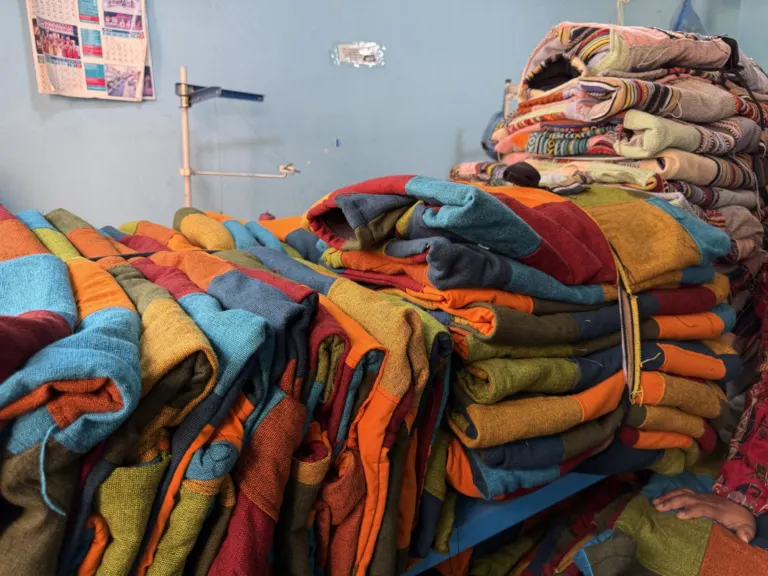
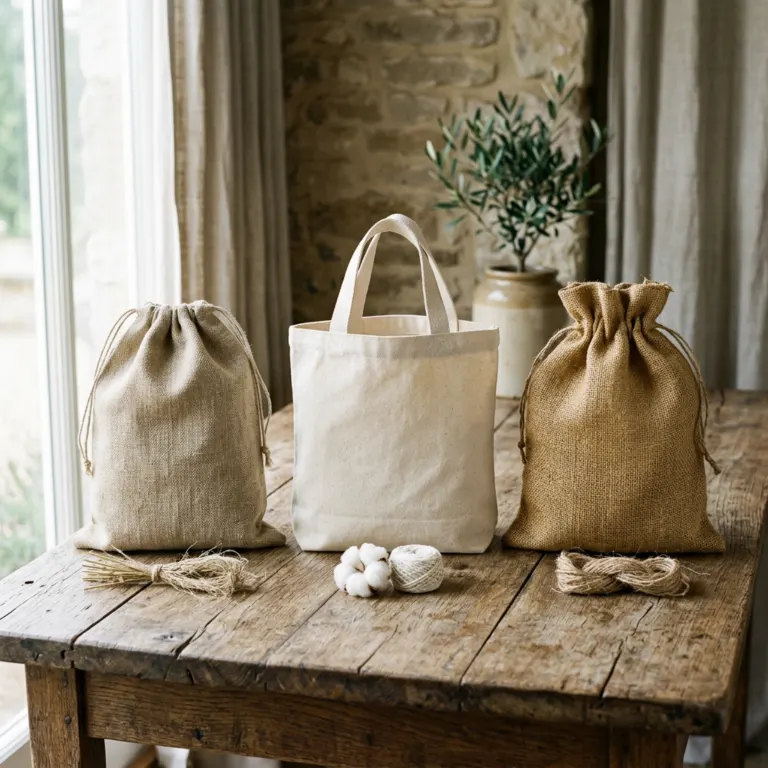
In our Kathmandu workshop the fabric is cut to pattern and stitched by our own team. A standard hemp backpack gets a spacious main compartment, a front storage pocket and side utility pockets, comfortable adjustable shoulder straps, and – on the laptop and waterproof styles – a waterproof lining and room for a laptop. Drawstring bags are cut at 40 x 40 cm with a rope-pull closure. Yoga mat bags are made 77 cm long so a rolled mat slides in properly.
Zips, strap joins and base seams get the most attention, because that is where bags are stressed. Durable stitching is not a marketing line on a handmade bag; it is the difference between a two-year bag and a ten-year bag.
4. Checking, finishing, packing
Every finished bag is checked before it is packed: seams pulled, zips run, straps tested, loose threads trimmed. Only then is it counted into a wholesale order. Our minimum order is 10 bags, and most orders mix styles – backpacks with a few totes, sling bags and pouches – so checking happens piece by piece, not by the carton.
Why this process is worth linking, sharing and stocking
A hemp bag made this way carries three things a mass-produced bag cannot: a fibre that needs minimal water and pesticides to grow, work for the people who harvest, weave and stitch it, and a product that stays out of landfill for years because it does not wear out in a season. That is the story retailers tell on the shop floor, and it is true because the process above is ordinary, daily work in Thamel – not a campaign.
Visit us at Thamel 16, Kathmandu, browse the collection online, or send a wholesale enquiry on WhatsApp (+977-9860799249). Minimum order 10 bags.