When we talk about the future of green agriculture and eco-conscious living, sustainable hemp stands out as an absolute game-changer. Despite historical misconceptions, this powerhouse crop is rapidly regaining its rightful place globally as a cornerstone of environmental regeneration and ethical manufacturing. Whether you are looking for durable eco-fashion or a way to reduce your carbon footprint, hemp provides a natural, zero-waste solution.
In this comprehensive guide, we explore this incredible plant’s rich heritage, its unmatched environmental benefits, and how artisan communities in Nepal are bringing hemp into the modern era.
6.What Exactly is Sustainable Hemp?
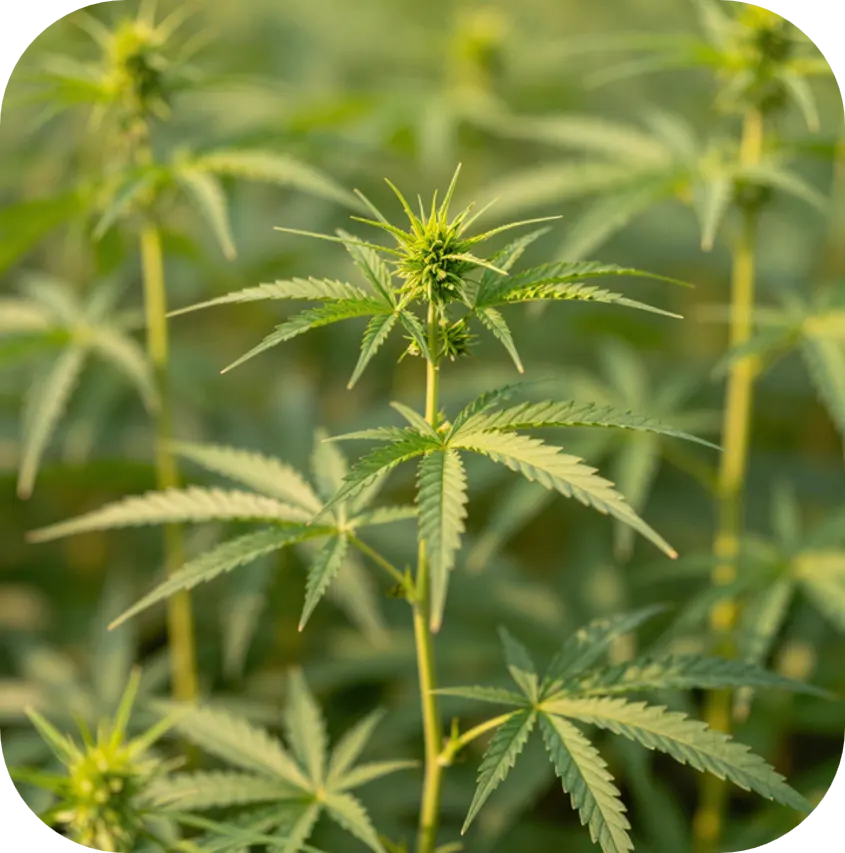
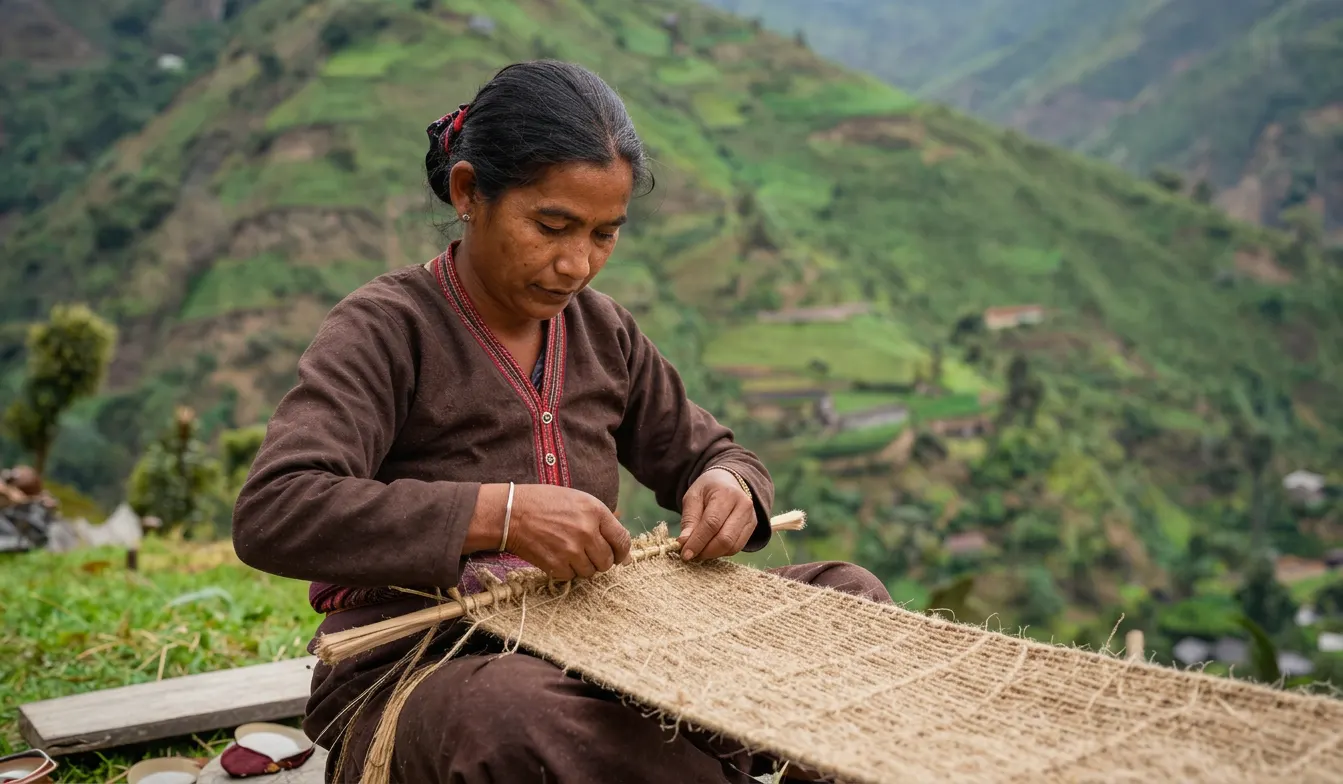
Before diving into its benefits, we must distinguish industrial hemp (Cannabis sativa L.) from its controversial cousin, marijuana. While they belong to the same plant family, industrial hemp contains less than 0.3% THC, meaning it has absolutely no psychoactive effects.
Instead of being grown for medicinal or recreational use, sustainable hemp is cultivated strictly for industrial purposes. It is a fast-growing, densely packed crop that matures in just 90 to 120 days. Because it grows so vigorously, it naturally crowds out weeds, eliminating the need for toxic chemical herbicides and pesticides. It produces incredibly strong natural fibres and nutrient-dense biomass, making it one of the most versatile and eco-friendly raw materials on the planet.
5.The Rich History of Sustainable Hemp in Nepal
Hemp is not a new trend; it is one of humanity’s oldest cultivated plants. Its origins trace back to ancient China around 6000 BCE, where it was heavily utilized for making robust fibre, rope, and traditional medicine. By 2000 BCE, it had found both sacred and practical use across the Indian subcontinent and the majestic Himalayas.
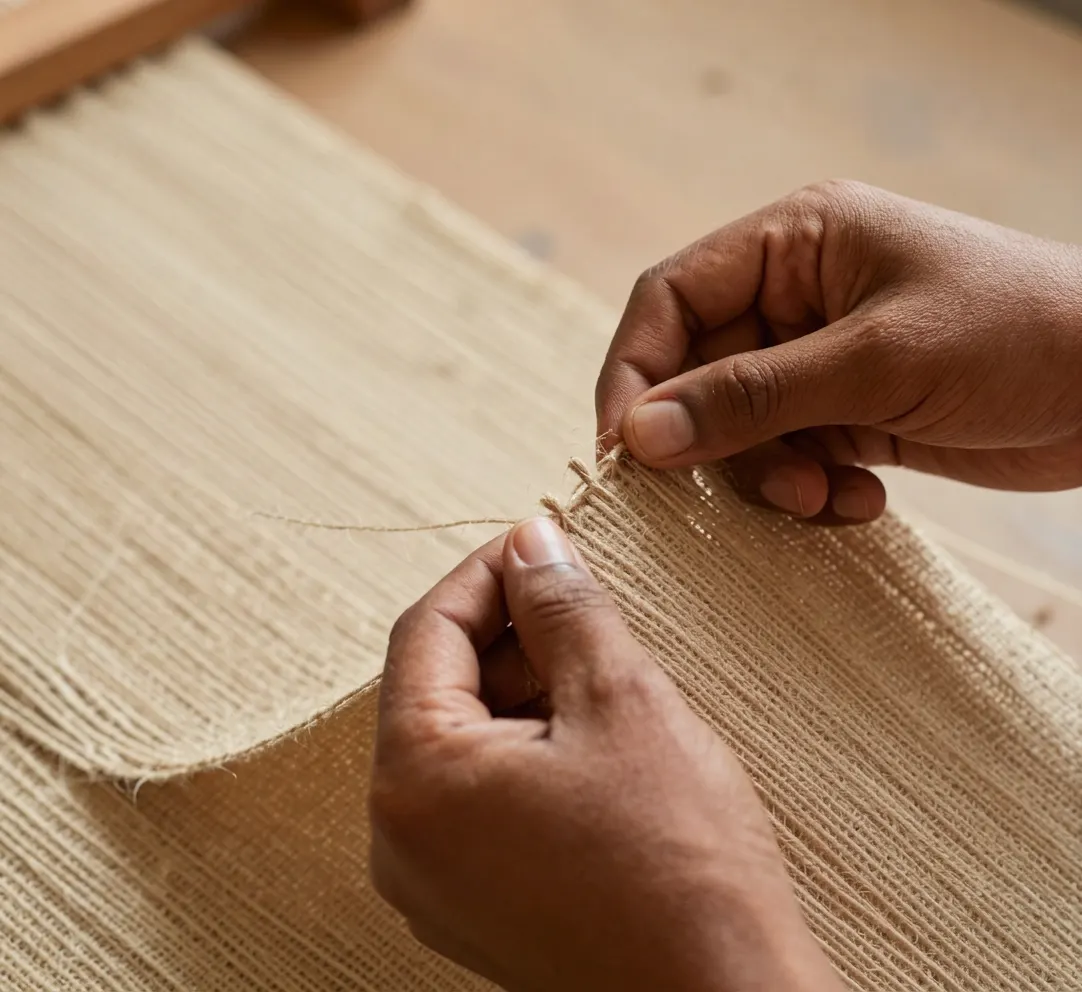
For centuries, communities nestled in Nepal’s rugged mountain regions such as Humla, Dolpa, and Mustang—have cultivated sustainable hemp as a fundamental cornerstone of their livelihood. Generations of highly skilled Nepali artisans have harvested the plant, weaving its tough fibres into long-lasting textiles, durable ropes, and beautiful traditional crafts. Today, this ancient heritage is meeting modern innovation, allowing these local crafts to reach a global audience.
4 Incredible Environmental Benefits
Why is everyone talking about hemp? The environmental data speaks for itself. Here are the top reasons why this crop is a champion of the earth:
- Massive Carbon Absorption: Hemp acts as a powerful natural carbon sink. It absorbs up to 15 tonnes of CO₂ per hectare, easily outperforming most trees and commercial agricultural crops.
- Extreme Water Conservation: Traditional crops are notoriously thirsty. Cotton, for example, requires thousands of litres of water to produce a single t-shirt. Hemp requires 50% less water than cotton and thrives in natural, rain-fed conditions. Learn more about the global impact of agricultural water use on the WWF website. (<- DoFollow Link)
- Soil Regeneration: Hemp’s deep root system prevents soil erosion and naturally aerates the earth. Through a process called phytoremediation, it can even draw heavy metals out of contaminated soil, leaving the farmland healthier than before it was planted.
- Zero Pesticide Requirement: Cotton currently accounts for nearly 25% of global insecticide use. Because hemp is naturally pest-resistant and grows incredibly fast, it requires virtually no chemicals.
- 100% Biodegradability: At the end of its lifecycle, products made from pure sustainable hemp leave zero toxic residue behind. They are completely compostable, offering a true cradle-to-earth lifecycle.
- High Yield per Acre: Hemp produces far more usable fibre per acre than cotton or timber, maximizing land efficiency.
- Zero Waste Processing: Every single part of the plant can be utilized—the stalks for fibre and building materials, the core for paper and animal bedding, and the seeds for highly nutritious food and cosmetic oils.
Industrial Applications: Shaping the Future
From the clothes on our backs to the walls of our homes, sustainable hemp is delivering innovative solutions across multiple modern industries.
Fashion and Textiles
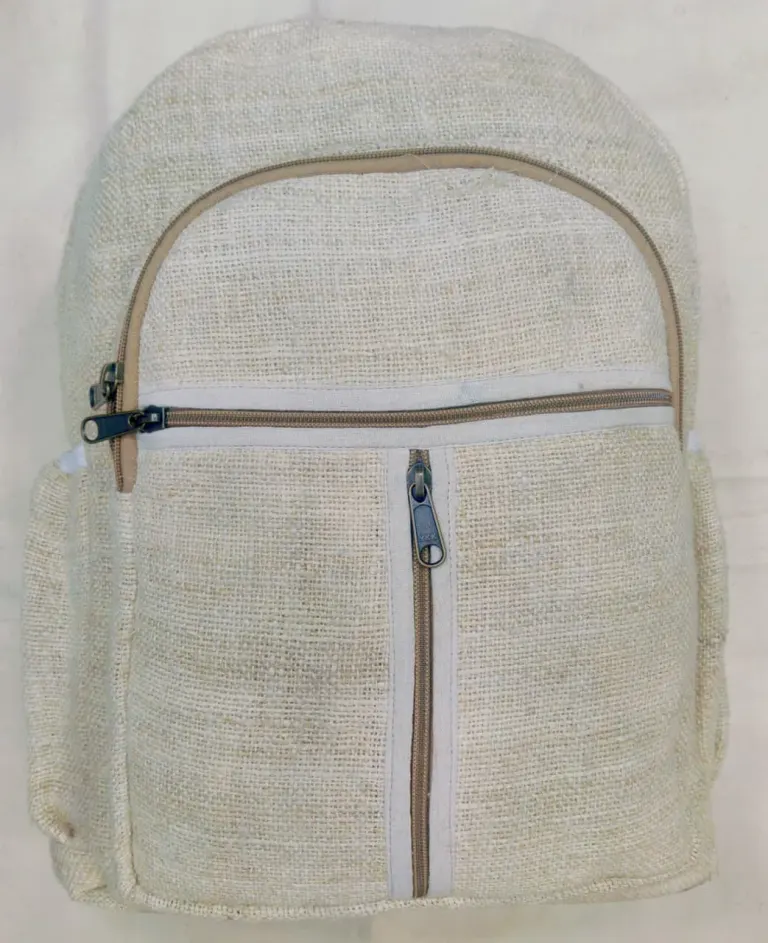
Hemp fibre is roughly three times stronger than cotton, making it the perfect material for heavy-duty items that need to withstand the test of time. It is highly breathable, naturally antimicrobial, and softens beautifully with every wash. Looking to upgrade your wardrobe with eco-friendly gear? Check out our exclusive collection of handcrafted hemp bags and accessories right here at Hemp Headquarte
Construction and Bioplastics
Beyond textiles, the inner woody core of the plant (the hurd) is mixed with lime and water to create “hempcrete.” This natural building material is lightweight, highly insulative, and actually carbon-negative. Furthermore, hemp cellulose is actively being used to develop biodegradable bioplastics, offering a legitimate, low-carbon alternative to ocean-polluting petroleum plastics.
Overcoming Challenges in the Hemp Industry
Despite its immense potential, the industry still faces several hurdles. The most significant challenge is the lingering public misconception that confuses industrial hemp with marijuana, which creates an unfair social stigma. This stigma often translates into complex, heavily bureaucratic regulations that hinder farmers, processors, and exporters.
Additionally, low consumer awareness means many people still do not understand the benefits of purchasing hemp over synthetic alternatives. Education is the key to unlocking the market’s vast, untapped potential.
Why Choose Hemp Headquarter?
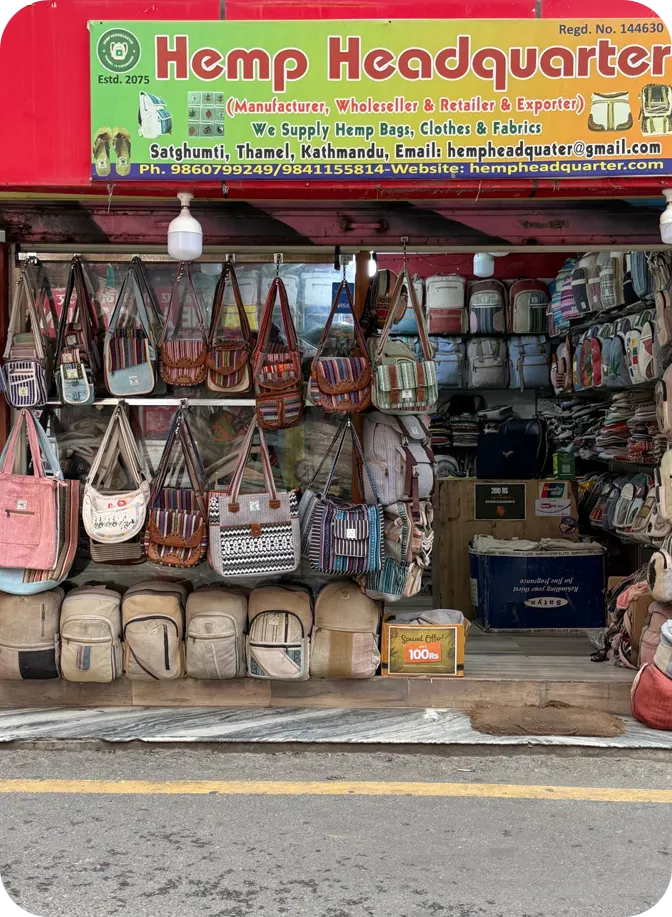
Located in the vibrant heart of Thamel, Kathmandu, Hemp Headquarter serves as a sustainable innovation hub. We bridge the gap between ancient Himalayan heritage and the demands of modern global markets.
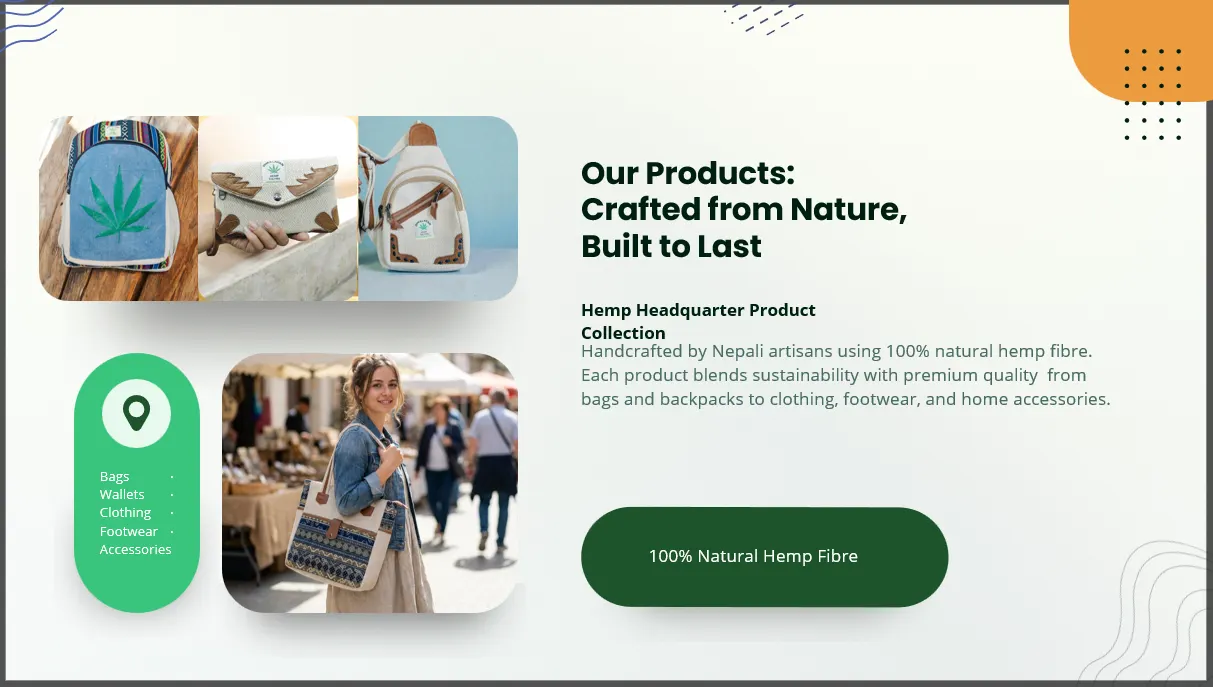
Our mission is driven by a passion for ethical production. We currently support over 150 local Nepali artisans, providing fair employment and preserving centuries of traditional craftsmanship. By choosing our handcrafted products—whether through custom OEM manufacturing, private label designs, or our direct retail lines—you are actively participating in a green revolution.
The future is circular, biodegradable, and sustainable. Embrace the heritage, protect the environment, and join us in celebrating the extraordinary power of sustainable hemp.